What is 3D flocked support for activewear? +
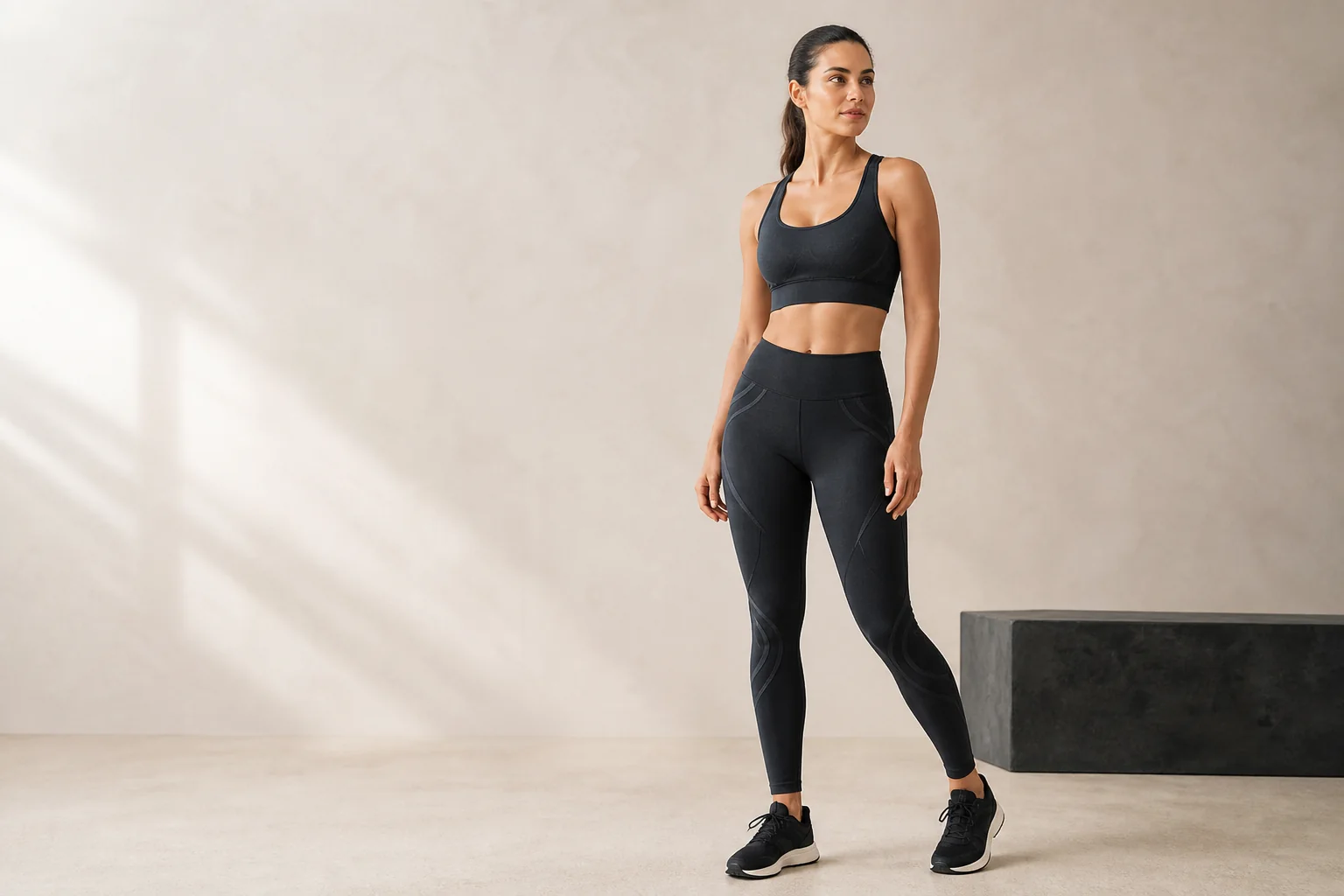
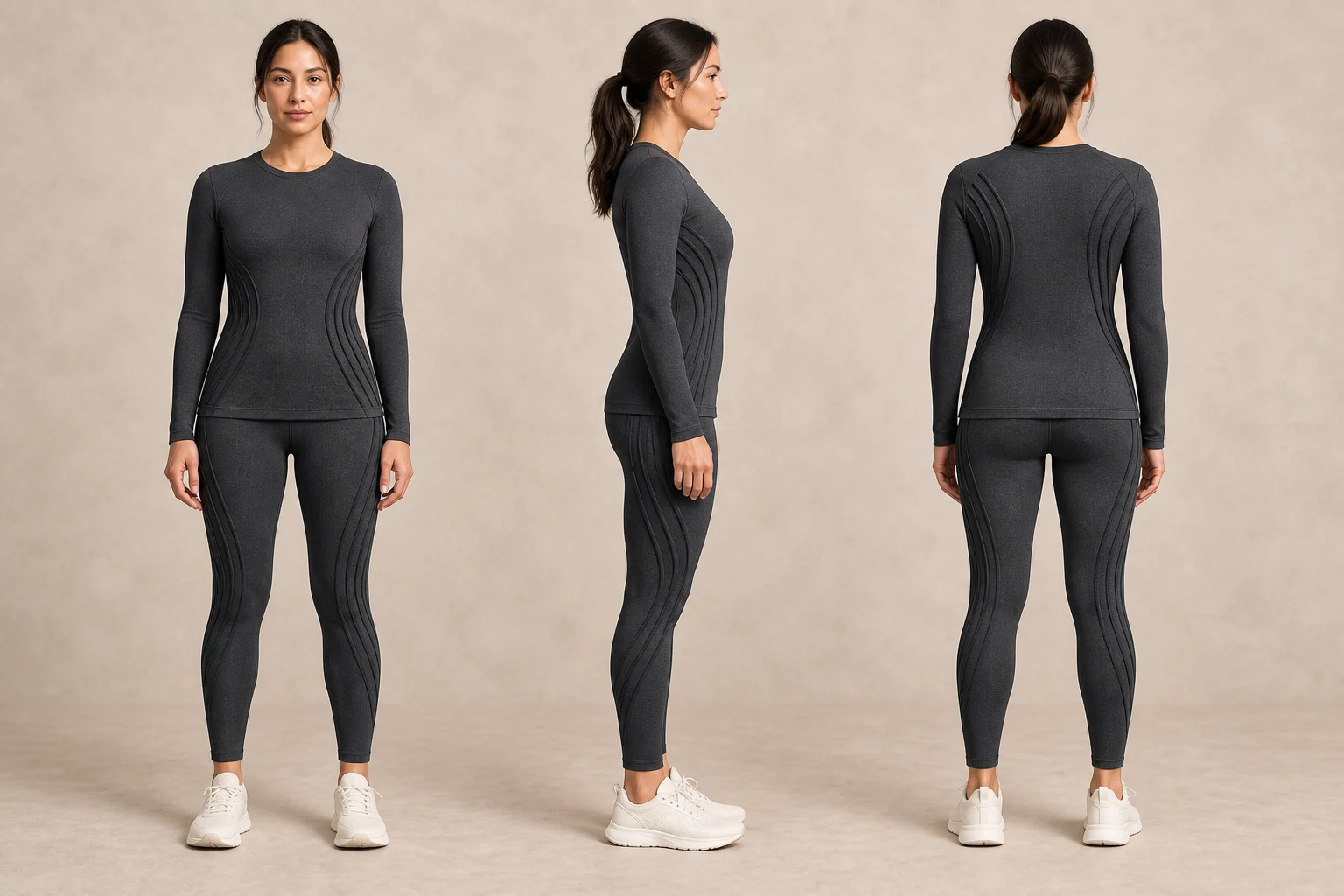
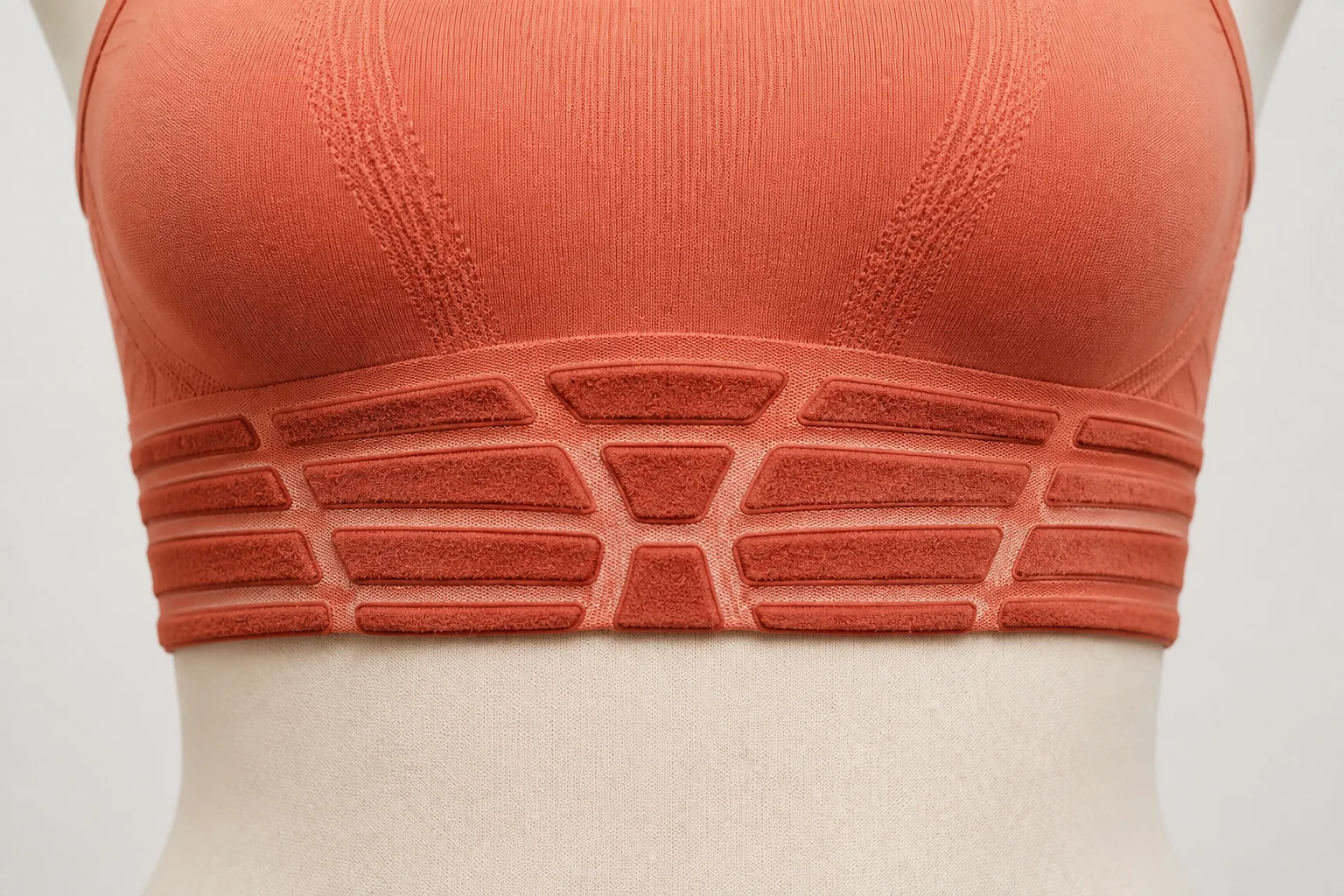
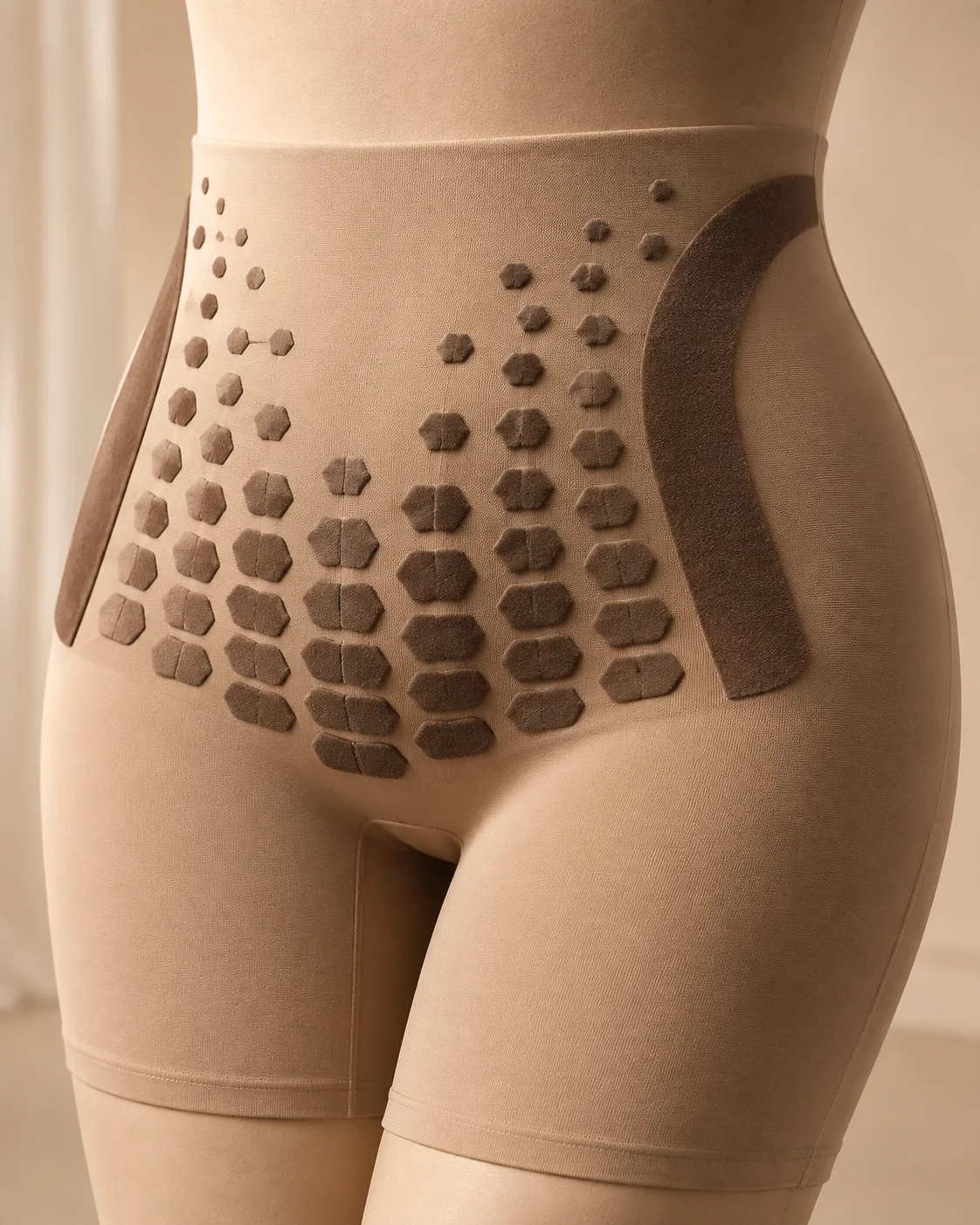
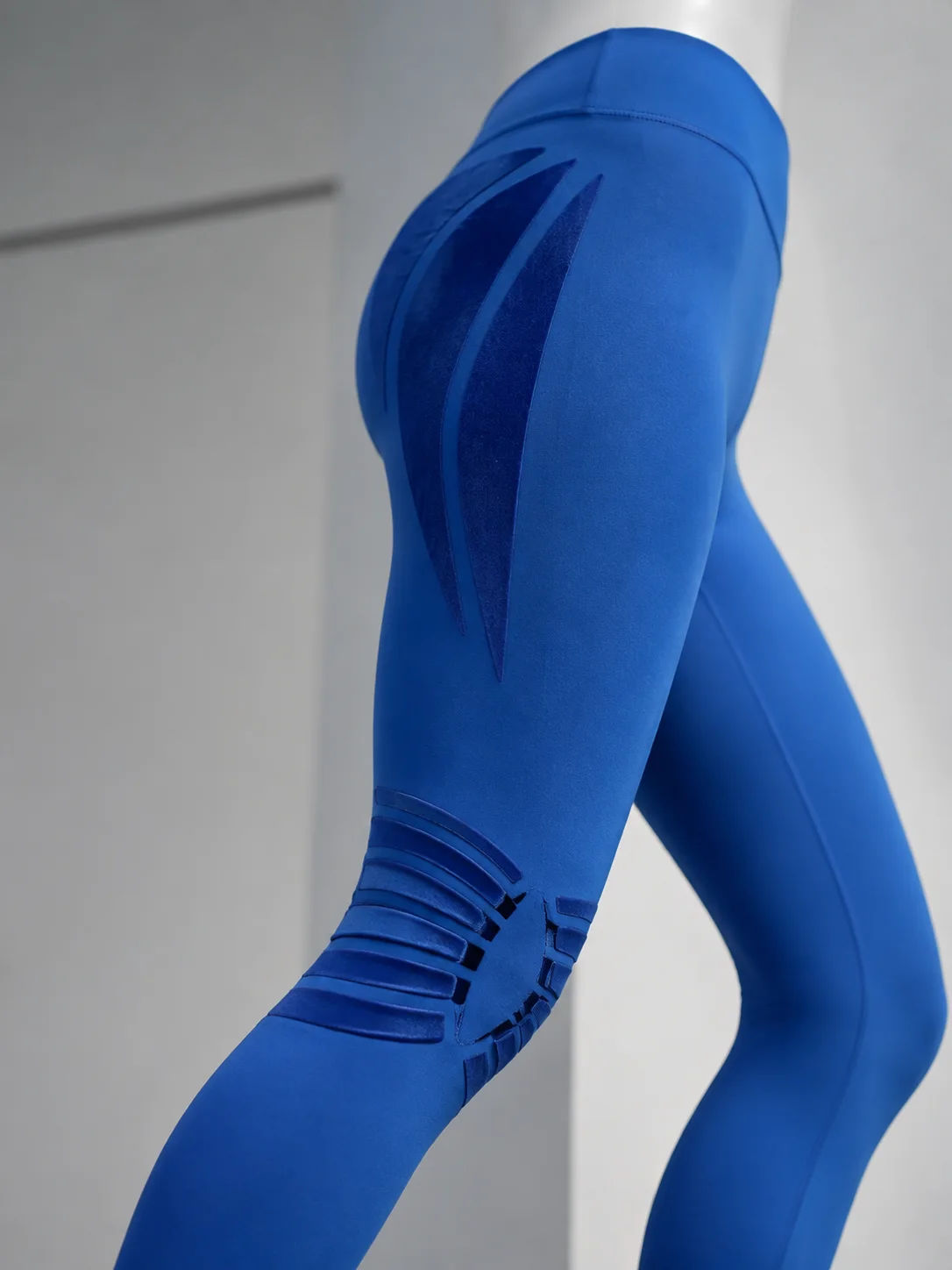
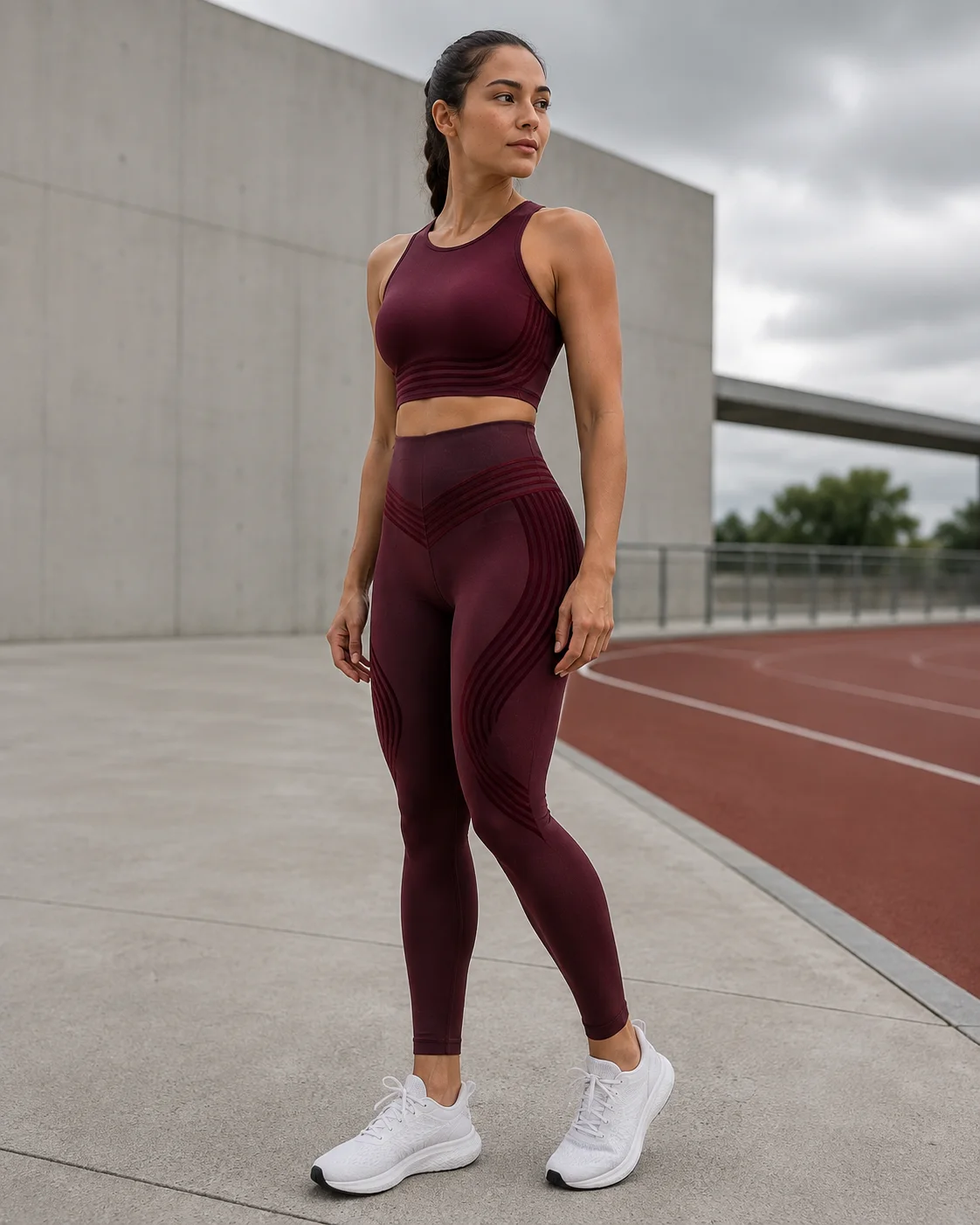
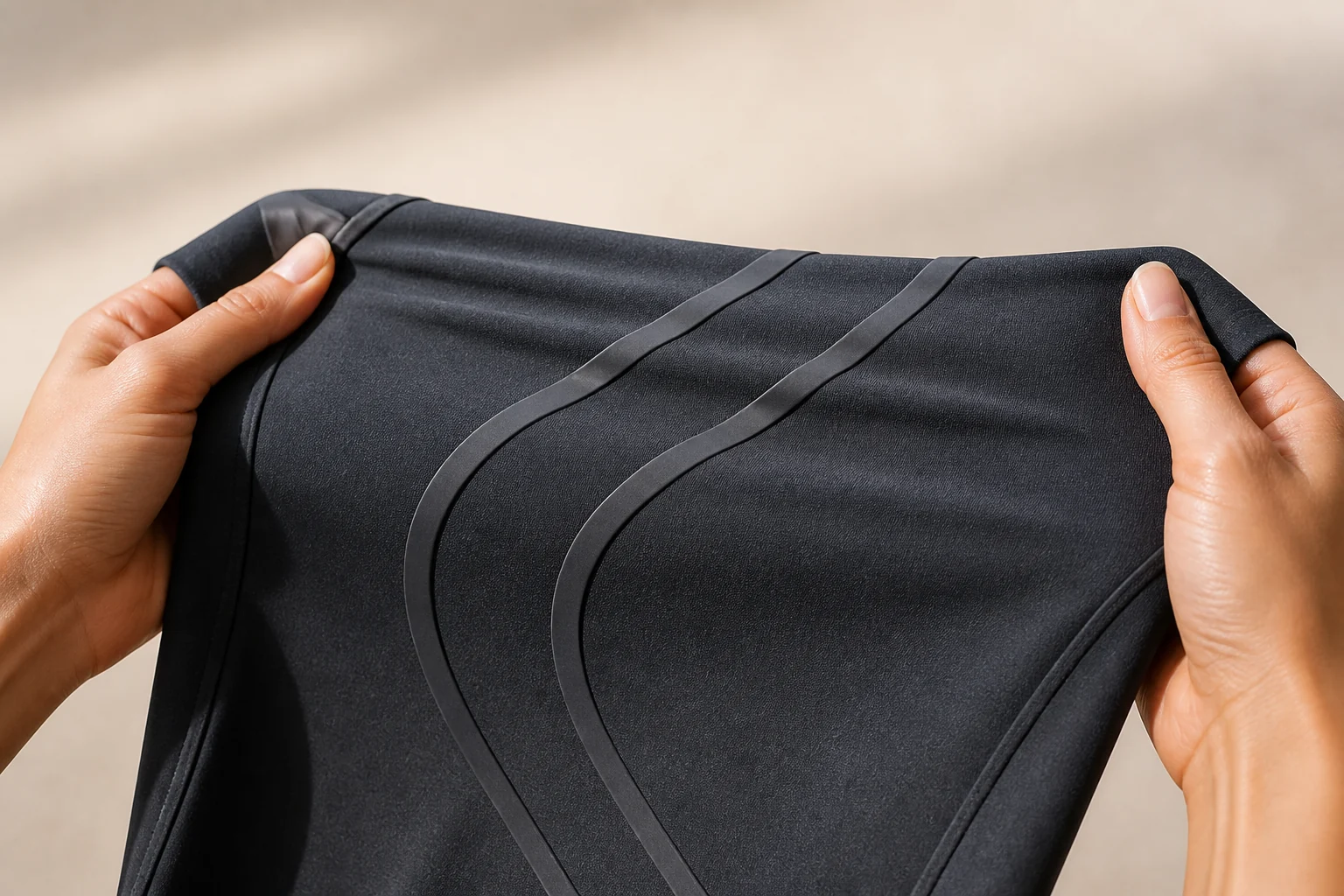
It is a garment-development approach that applies mapped, stretch-compatible flocked paths to selected textile zones. The base fabric, flocking system, path geometry, pile profile and garment construction are developed together for the intended product.
Is 3D flocked support a fabric? +
No. It is a flocked application on a selected textile. The base fabric still needs its own composition, weight, stretch, recovery, color, hand feel and care specification.
Which products can use mapped elastic support zones? +
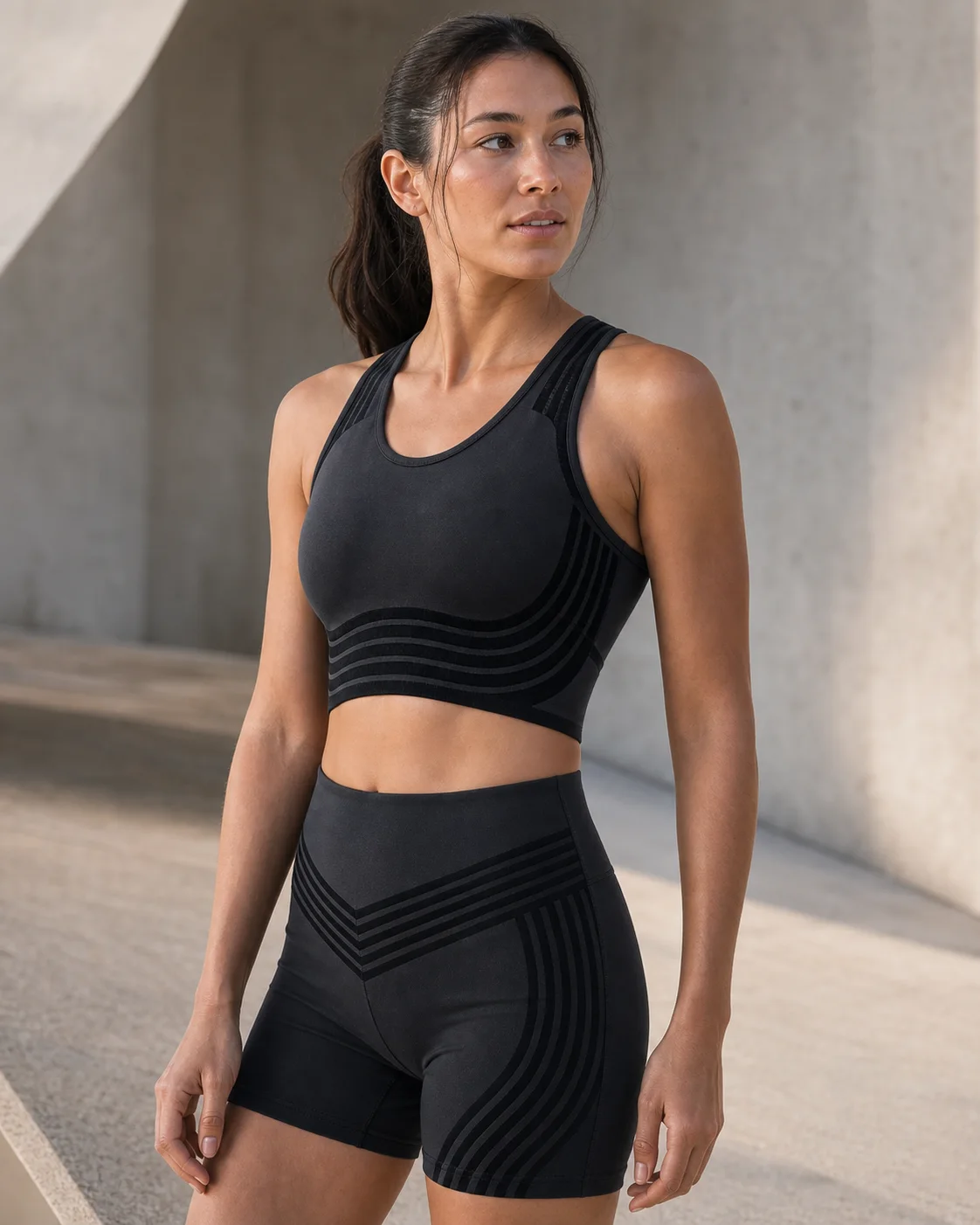
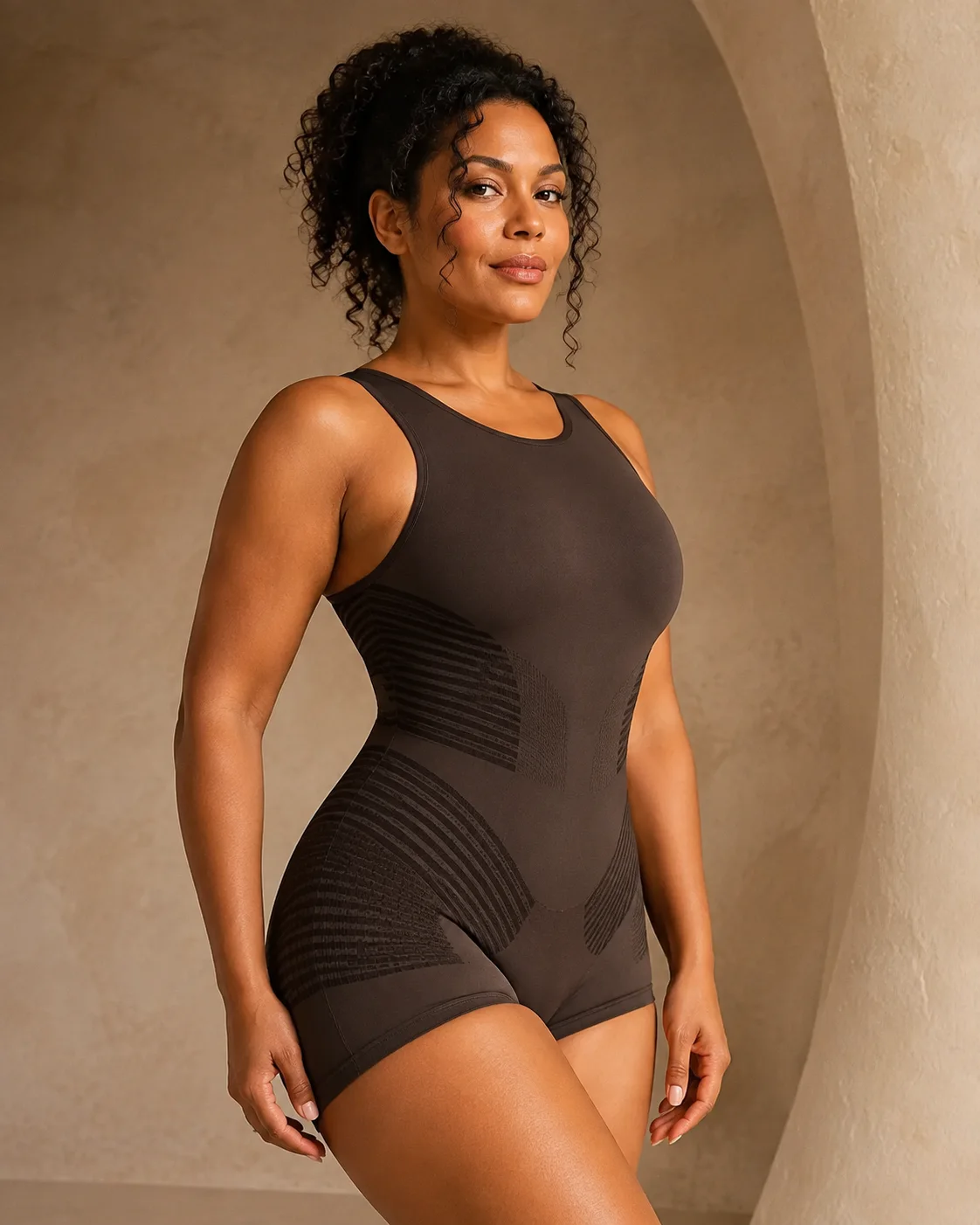
Common development directions include wire-free and sports bras, bra tops, postpartum-support apparel concepts, shapewear, bodysuits, underwear, leggings, biker shorts and selected one-piece products. Feasibility is confirmed for the exact fabric, zone map, size range and end use.
What is the MOQ for this technology program? +
The starting MOQ is 500 pieces per color and style. A set containing a bra and a legging is normally two styles, so each style is planned separately.
Can a brand customize the support paths, color and placement? +
Yes. A brand can brief the product silhouette, intended zones, visible or tone-on-tone appearance, color direction and fit priorities. The final map must be engineered and approved for the selected textile and garment.
Does the technology automatically prove compression, lift or recovery benefits? +
No. A visual support path does not by itself prove finished-garment pressure, support, circulation, recovery, medical or body-change claims. Claims must stay within product-specific fit, wash, adhesion, stretch-recovery and any other relevant evidence.
Why is the bra a strong application for this technology? +
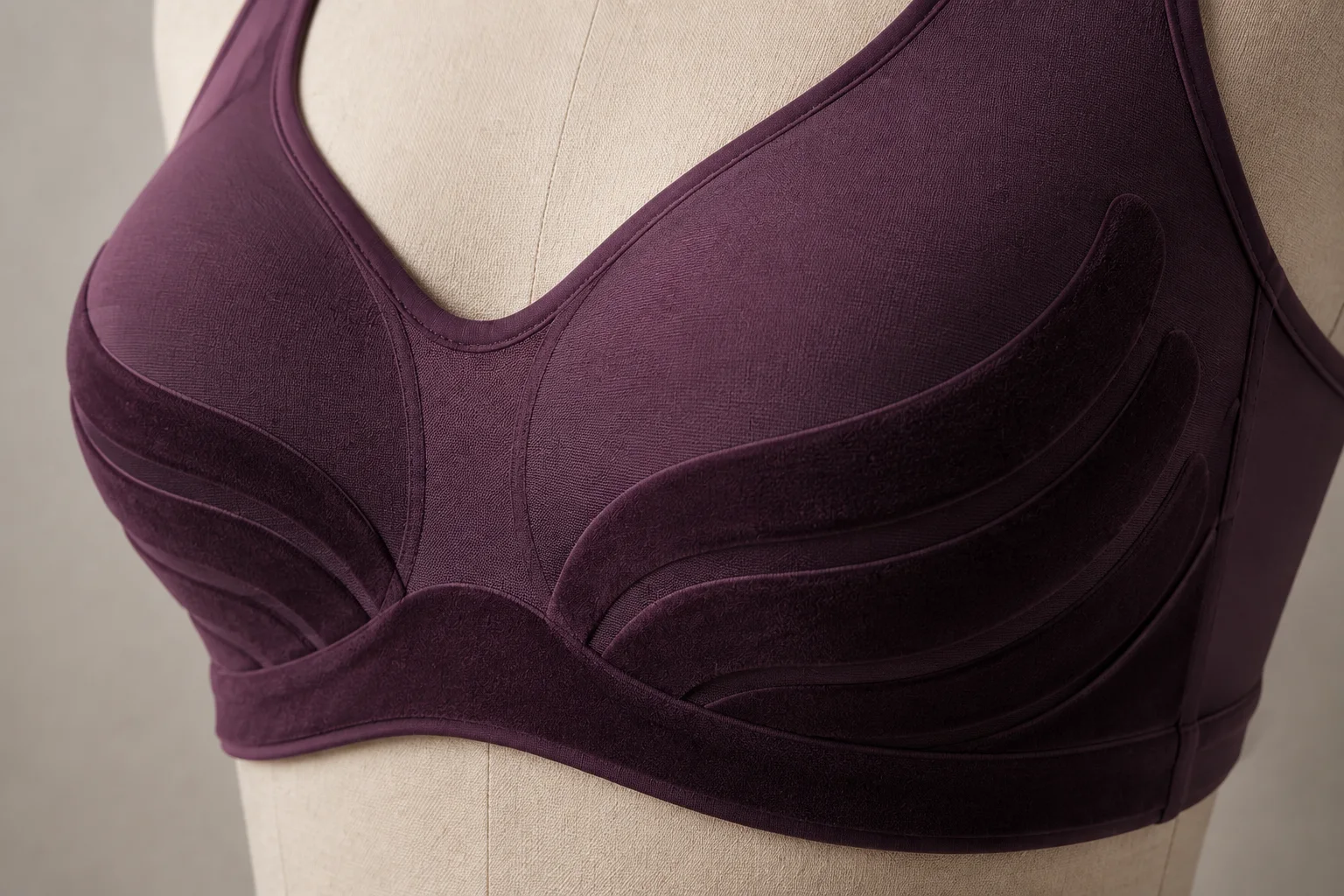
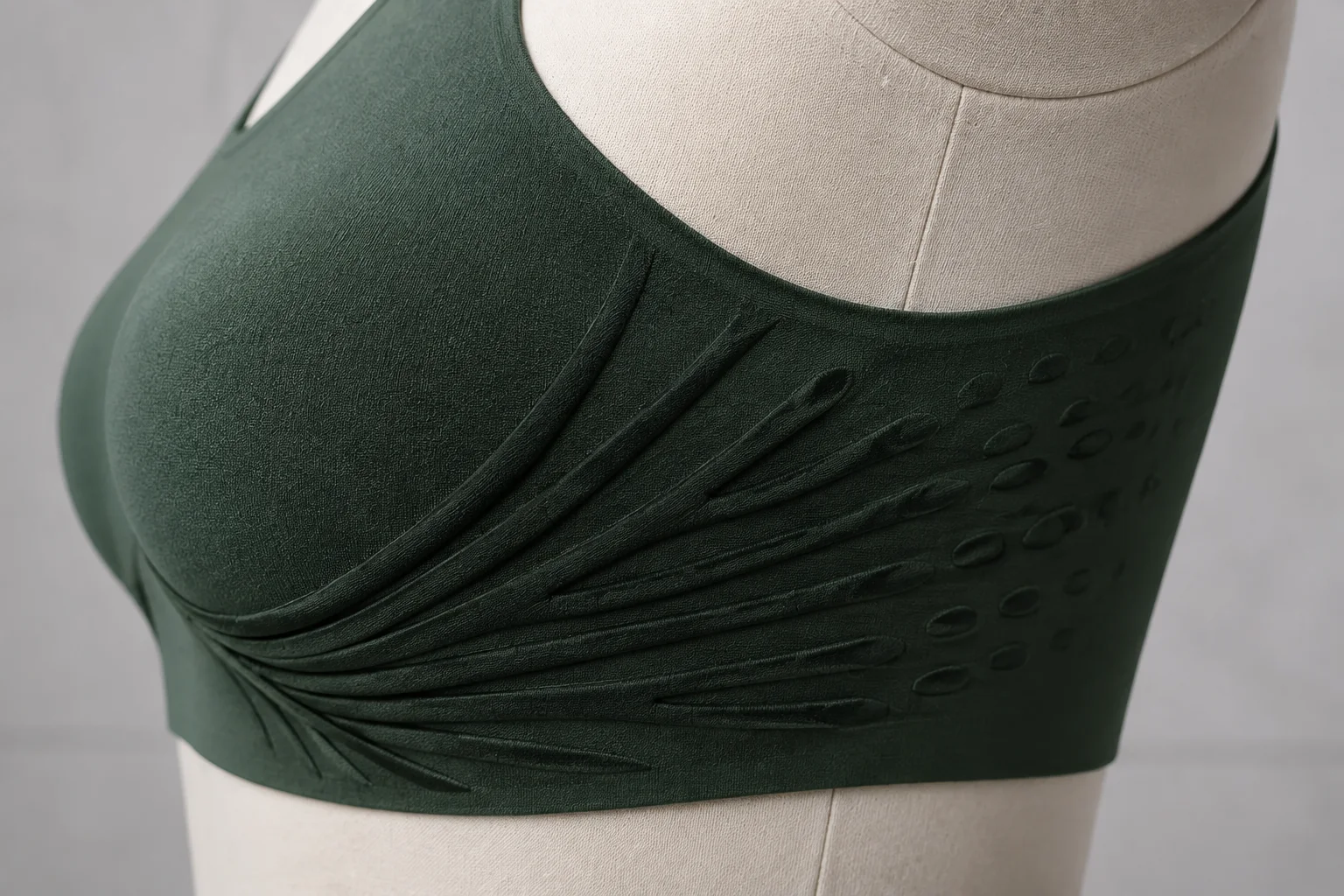
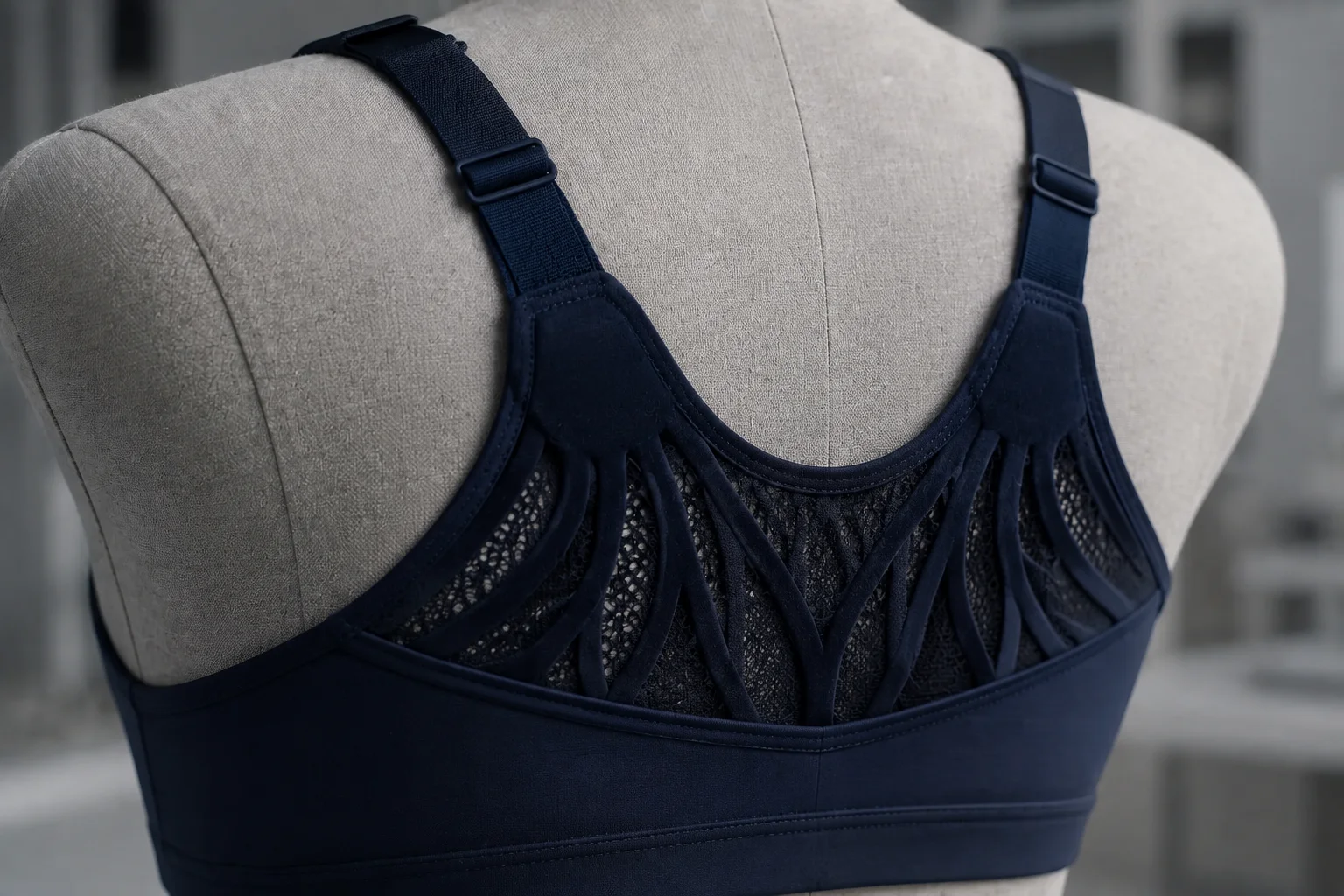
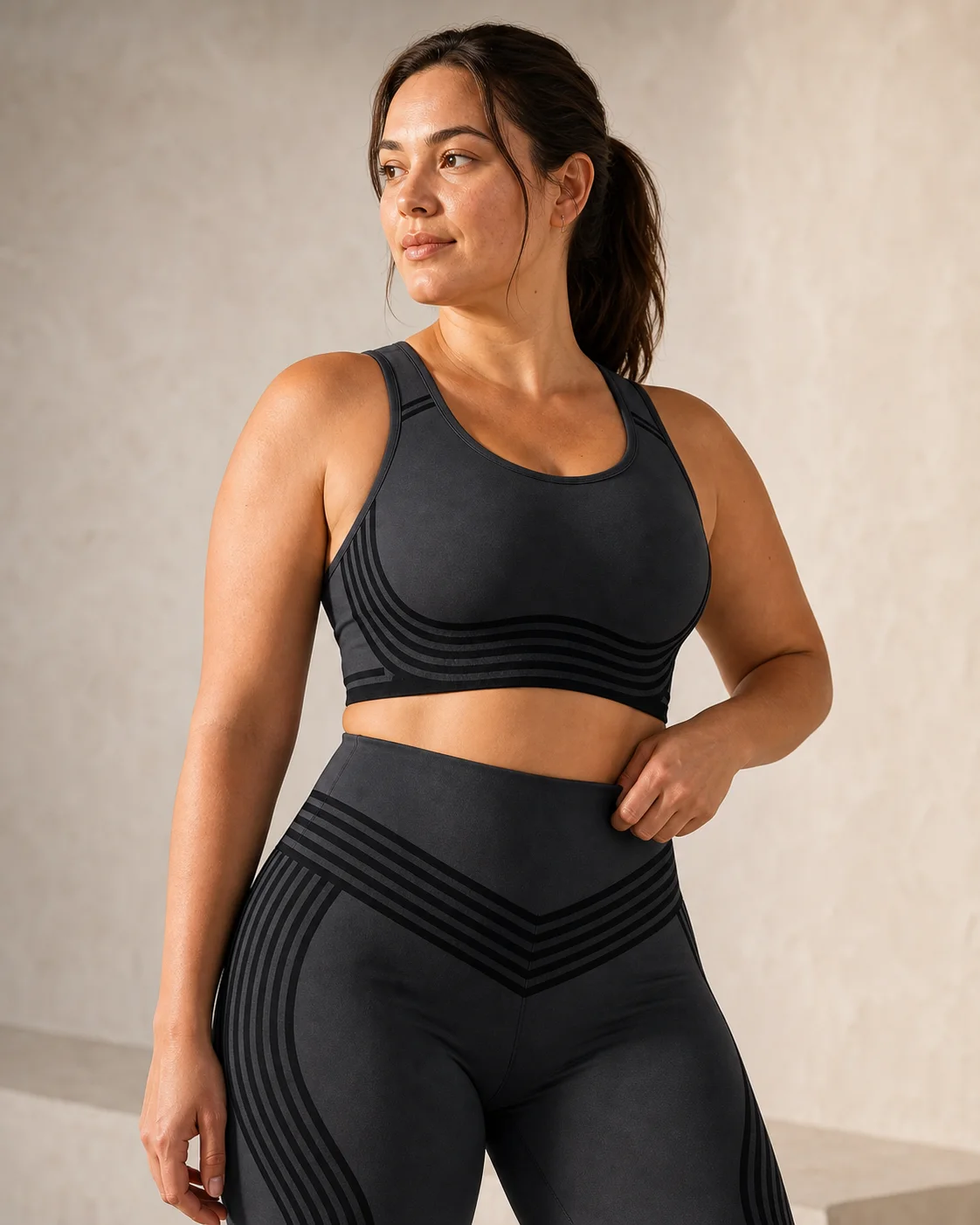
A bra contains several connected support zones in a compact product: lower cup, underbust, side cup, wing, strap anchor and back body. A mapped application can explore elevation, containment, anchoring and load transition as separate but connected tasks. Finished-garment support and comfort still require size-specific fit, pressure and movement testing.
Does a tighter sports-bra underband always provide better support? +
No. The underband is an important anchor, but tighter is not automatically better. Excess restriction can create breathing, pressure, heat or chafing problems. Band width, material, segmentation, adjustability, cup containment and the full size matrix must be developed and tested together.
How should a plus-size or extended-cup sports bra be developed? +
Do not enlarge one sample proportionally and assume the support system scales. Define a band-and-cup size matrix, then review lower-cup capacity, cup separation and containment, wing height and stretch, strap width and adjustment, underband pressure, motion, coverage, heat and chafing at representative sizes.
Can this be developed for postpartum customers? +
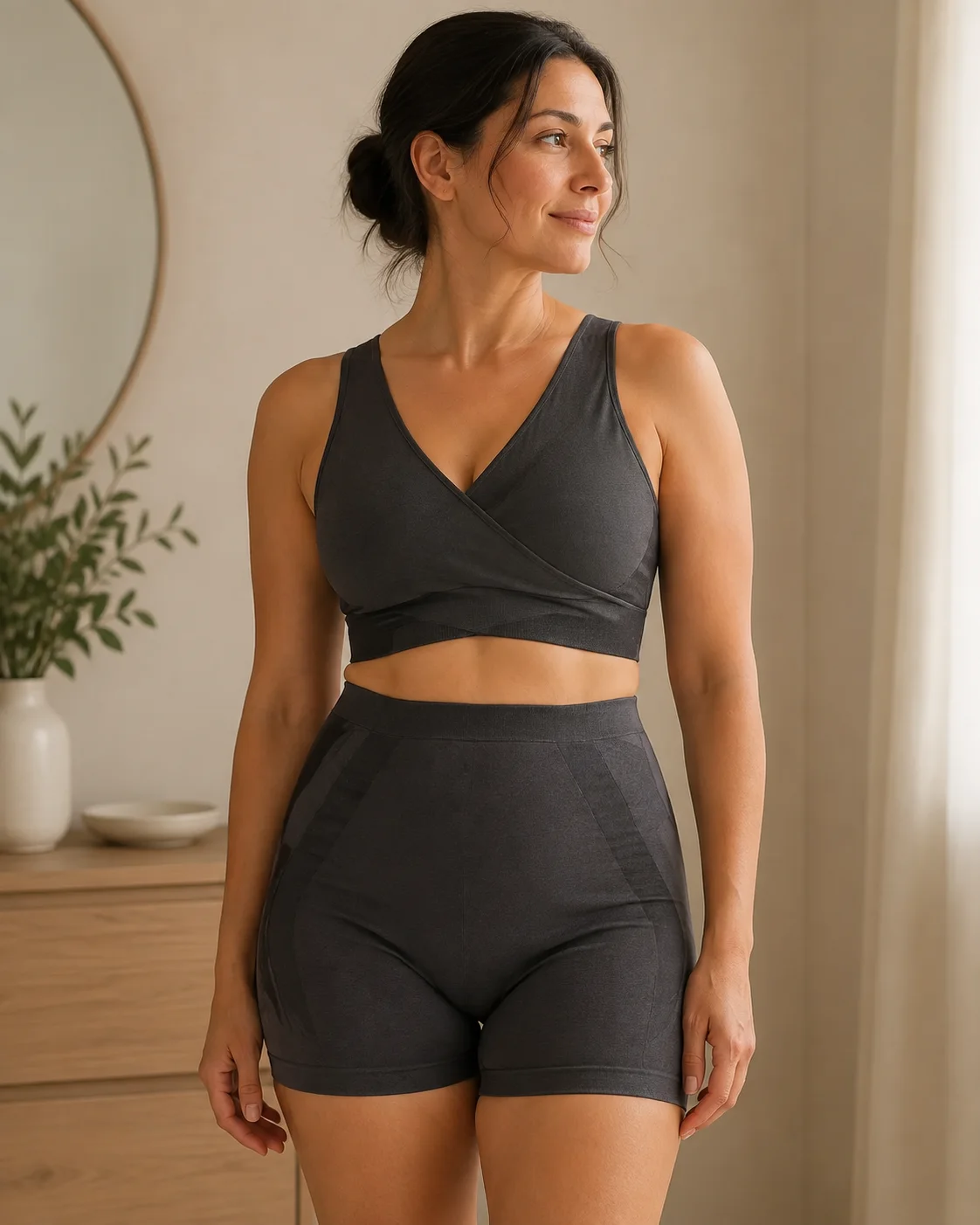
Yes, as a carefully defined apparel-development direction. Brands can explore easy-on support tops and high-rise briefs or shorts with selected underbust, side-waist, abdominal-perimeter and lower-back zones. The product must not be presented as treating pain, healing a C-section, correcting diastasis or accelerating recovery without product-specific clinical evidence, clinician input and market-specific regulatory review.
Does a flocked support map replace every wire, elastic or seam? +
Not automatically. Replacing or reducing a conventional component is a development objective, not a universal result. The selected fabric, cup or body pattern, flocked geometry, size range, care route and required support level determine whether a wire, elastic, seam, lining or reinforcement is still needed.
Can Linked Sourcing develop SensElast products? +
Linked Sourcing can develop SensElast® and related 3D flocked support products through a qualified production route. Substrate compatibility, flocking placement and the approved application are confirmed for each project. SensElast® is a third-party technology name; Linked Sourcing does not claim ownership of its trademark.